5 Key Factors That Affect the Lifespan of Industrial Gas Engines
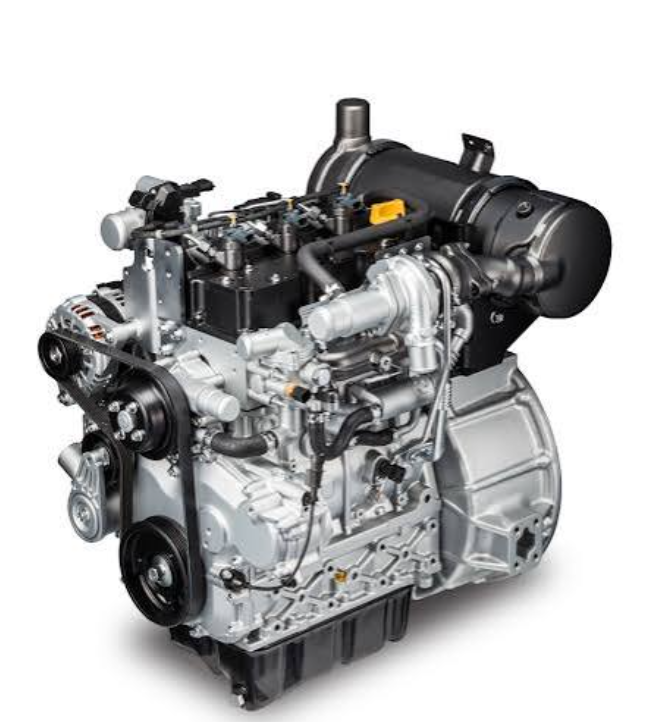
Industrial gas engines play an important role in power generation and manufacturing facilities. Businesses depend on these engines to provide reliable performance every day. Industry-leading solutions such as Waukesha Innio are widely used for their reliability and efficiency in demanding industrial applications. However, not all engines last the same amount of time. Several factors influence how long an engine can operate efficiently before major repairs or replacement become necessary.
Understanding these factors can help facility managers reduce downtime, lower maintenance costs, and improve overall equipment performance.
Regular Maintenance Makes a Big Difference
One of the most important factors affecting engine life is maintenance. Engines contain many moving parts that experience wear over time. Regular inspections help identify small issues before they become serious problems.
Routine maintenance often includes:
Oil changes
Filter replacement
Cooling system checks
Spark plug inspections
Performance testing
When maintenance schedules are followed consistently, engines typically last longer and perform more efficiently.
Fuel Quality Matters
Poor fuel quality can negatively affect engine performance. Contaminated fuel may cause deposits to build up inside the engine. Over time, these deposits can reduce efficiency and increase wear on important components.
Using clean, high-quality fuel helps maintain proper combustion and supports long-term engine reliability.
Operating Conditions Affect Performance
Industrial engines often operate in challenging environments. High temperatures, dust, humidity, and heavy workloads can place extra stress on engine components.
Facilities can protect their equipment by:
Maintaining proper ventilation
Monitoring operating temperatures
Keeping equipment clean
Avoiding unnecessary overloading
These simple steps help reduce strain and improve engine lifespan.
Using Quality Replacement Parts
When components wear out, choosing quality replacement parts is essential. Poor-quality parts may not meet the original specifications and can lead to additional failures.
Quality parts help maintain performance and reduce the risk of unexpected downtime.
Proper Monitoring Prevents Major Failures
Modern monitoring systems make it easier to track engine health. Operators can monitor fuel usage, temperatures, pressure levels, and other important indicators.
Early warning signs often include:
Unusual noises
Increased fuel consumption
Higher operating temperatures
Reduced power output
Addressing these issues quickly can prevent expensive repairs.
Conclusion
Industrial gas engines are valuable investments. Their lifespan depends on maintenance practices, fuel quality, operating conditions, replacement parts, and monitoring efforts. Businesses that focus on these areas often achieve better reliability and lower operating costs.
By following best practices and investing in quality components, facilities can maximize engine performance for many years.
Comments
No comments yet. Be the first to comment!