Factors That Influence the Performance of Reciprocating Compressors
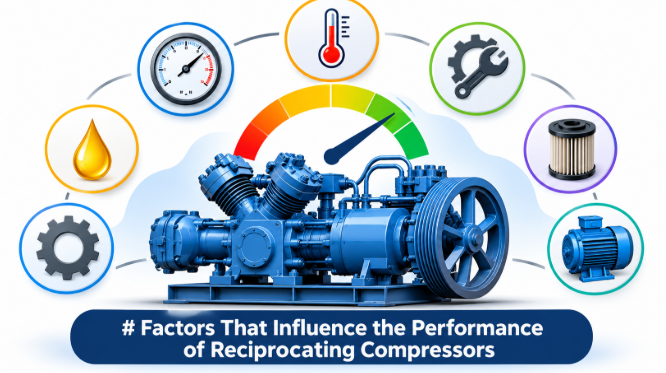
Reciprocating compressors are widely used in oil and gas processing, manufacturing, petrochemical plants, and industrial energy systems. These machines help move and compress gases under different pressure conditions.
Their performance depends on several factors, including component quality, operating conditions, maintenance practices, and equipment design. Understanding these factors helps businesses improve efficiency and reduce unexpected equipment failures.
1. Quality of Internal Components
Internal components play an important role in compressor performance. Valves, piston rings, packing systems, and cylinder liners must operate correctly to maintain proper compression.
Worn or damaged components can cause gas leakage, pressure loss, and reduced efficiency. Selecting reliable replacement parts helps maintain consistent compressor operation.
2. Operating Pressure and Temperature
Pressure and temperature directly influence how a reciprocating compressor performs. Operating outside recommended limits can increase mechanical stress and affect equipment reliability.
Regularly monitoring discharge temperature, suction pressure, and operating conditions helps technicians identify potential problems before they become serious.
3. Proper Lubrication
Lubrication reduces friction between moving components and helps prevent premature wear. Insufficient or contaminated oil can damage important mechanical parts and increase maintenance requirements.
Following recommended lubrication schedules and using suitable lubricants helps protect compressor components and maintain smooth operation.
4. Maintenance and Inspection Practices
Regular maintenance is essential for keeping industrial compressors in good working condition. Inspections help identify worn valves, damaged seals, unusual vibrations, and other performance issues.
Businesses operating established compressor systems such as Ariel should pay attention to equipment specifications, maintenance schedules, and suitable replacement components.
Timely servicing helps reduce unexpected breakdowns and supports longer equipment service life.
5. Gas Quality and Operating Conditions
The properties of the gas being compressed can influence compressor performance. Gas composition, moisture content, and the presence of contaminants may affect internal components.
Proper filtration and suitable operating procedures help protect compressor systems from unnecessary damage.
6. Cooling System Efficiency
Compression generates heat, making effective cooling important for reliable operation. Poor cooling performance can increase operating temperatures and place additional stress on internal components.
Technicians should regularly inspect cooling passages, heat exchangers, and related equipment to maintain suitable temperature conditions.
7. Correct Installation and Alignment
Improper installation can create vibration, mechanical stress, and premature component wear. Correct alignment of the compressor, driver, and connected equipment helps maintain stable operation.
Following installation guidelines and checking foundation conditions can prevent several avoidable mechanical problems.
8. Availability of Quality Replacement Parts
Using suitable replacement parts is important when repairing or servicing reciprocating compressors. Incorrect or low-quality components may affect compression efficiency and increase the risk of repeated failures.
Industrial businesses should verify component specifications and supplier reliability before purchasing spare parts.
Final Thoughts
Reciprocating compressor performance depends on component quality, lubrication, cooling, operating conditions, and regular maintenance. Paying attention to these factors helps businesses improve efficiency, reduce downtime, and extend equipment service life.
A well-planned maintenance strategy combined with suitable replacement components can support reliable compressor operations in demanding industrial environments.
Comments
No comments yet. Be the first to comment!